


For any dedicated culinary enthusiast, the quest for truly phenomenal local Chinese food is an ongoing, deeply rewarding journey. It is a pursuit of a multi-sensory experience: the intoxicating, smoky essence of wok hei (the breath of the wok), the perfect balance of texturing achieved through precise meat velveting, and the complex harmony of regional spices that can instantly transport a diner thousands of miles away. However, for the uninitiated, the modern suburban and urban food landscape can be incredibly difficult to navigate. Too often, the market is saturated with homogenized, sugary, and heavily westernized franchises that mask the profound diversity of genuine Chinese regional cooking.
Finding the real hidden gems, those uncompromising kitchens that treat culinary arts as an absolute reflection of cultural heritage and technical precision, requires moving far past basic internet searches or casual neighborhood convenience. Please adopt the mindset of a food anthropologist and a strict quality auditor. Every element of an establishment, from the exact linguistic structure of its menu and the source of its raw ingredients to the environmental sanitation of its back-loading dock, provides critical data points about its authenticity. By learning to decode these subtle culinary clues and looking at a neighborhood infrastructure with a practiced eye, you can bypass the generic takeout traps and consistently unlock masterclasses in fire, flavor, and heritage. This guide serves as the definitive roadmap for systematically locating and vetting the absolute best Chinese dining experiences in your area.
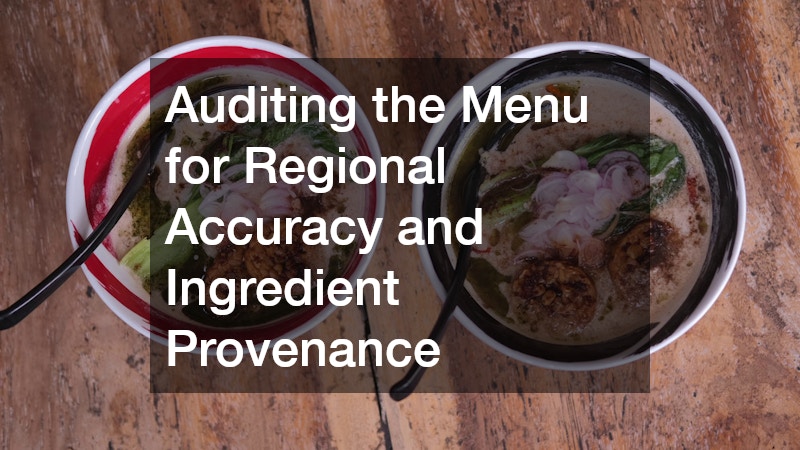
Auditing the Menu for Regional Accuracy and Ingredient Provenance
The absolute baseline for identifying exceptional Chinese restaurants begins within the pages of its menu. A premier restaurant will completely reject the vague, monolithic label of generic “Chinese cooking.” Instead, its menu will showcase a proud, highly specific allegiance to distinct regional traditions, whether that means the fiery, numbing peppercorn-laden profiles of Sichuan, the delicate, seafood-centric geometries of Cantonese dim sum, the clean, comforting broths of Fujian, or the robust, cumin-scented hand-pulled noodle traditions of Shaanxi.
When you review a menu, look closely at how the kitchen structures and sources its primary protein inventory. A low-tier takeout joint looking to slash its overhead will typically rely on buying pre-cooked, pre-battered, and heavily preserved meats shipped from a massive corporate wholesale frozen foods distributor, resulting in generic textures and a total lack of distinct freshness. Conversely, a high-caliber kitchen stands out by managing a meticulously fresh ingredient pipeline. These elite operations skip industrial processing channels entirely, choosing to source whole ducks, fresh skin-on pork bellies, and specialty cuts directly from a high-quality local butcher to ensure total structural integrity and traditional texturing across every single dish.
- Scan for bilingual character layouts: Look for menus that feature extensive Chinese typography alongside English descriptions; the presence of original character sets often indicates that the kitchen is preparing traditional dishes optimized for community insiders rather than simplified Western palates.
- Identify precise cooking terminology: Seek out technical culinary terms like “clay-pot braised,” “dry-fried,” “master-stock simmered,” or “salt-baked” instead of vague, generalized descriptions like “sweet and sour” or “stir-fried meat.”
- Evaluate the length of the menu: Be wary of gargantuan menus that promise three hundred different items across four distinct Asian cuisines; exceptional restaurants usually focus on a tightly curated selection of thirty to fifty specialized regional plates that they can execute with absolute mastery every day.
Reading Between the Lines of Online Digital Review Ecosystems
In an era dominated by crowd-sourced digital review platforms, a basic star rating is often the least reliable metric for determining the true quality of an authentic ethnic restaurant. In fact, highly traditional regional Chinese restaurants often carry a polarizing three-and-a-half to four-star rating online. This paradox occurs because uneducated reviewers often penalize authentic kitchens for serving traditional, texture-forward dishes, such as bone-in poultry, unpeeled shrimp, or slow-braised tripe, or for refusing to tone down authentic, uncompromised heat levels to suit a milder palate.
To extract true value from online review networks, you must look past the aggregated numbers and dive deeply into specific user-submitted photo galleries and structural descriptions. Exceptional culinary experiences are frequently hidden entirely outside of traditional, high-rent commercial main streets. Pay close attention to local food message boards that review operations embedded inside multi-ethnic retail corridors. Some of the absolute most spectacular, scratch-made dumpling counters and hand-pulled noodle stalls in the country operate completely without independent storefronts, choosing instead to share a communal counter loop inside a bustling international supermarket or carve out a tiny kitchen space in the back of an old-school neighborhood deli store.
- Audit the user-submitted dining room photos: Scan customer images to see if the dining room consistently attracts members of the regional diaspora community; a dining room filled with multi-generational families seeking a true taste of home is the ultimate validation of a kitchen’s authenticity.
- Filter reviews for specific sensory markers: Use keyword searches within review apps to find mentions of “ma la” (numbing spice), “wok hei,” “tender tendon,” or “house-made chili oil,” which indicate that the kitchen is hitting complex, traditional flavor benchmarks.
- Translate foreign-language reviews directly: Utilize digital browser extensions to read honest, in-depth critiques written by native speakers, as these reviews often contain valuable insider tips regarding unlisted off-menu daily specials.
Auditing the Physical Infrastructure and Back-Alley Cleanliness
The intense physical mechanics of high-volume, traditional Chinese cooking require an exceptional level of commercial facility maintenance and environmental discipline. Executing high-heat stir-frying, deep-frying, and long-form roasting creates continuous, heavy-duty demands on a kitchen’s structural systems. While the front dining room of a restaurant can easily be staged to look clean, the back alleys and mechanical infrastructure of a building never lie about an establishment’s true operational standards.
Before committing to a meal at a new location, a brief walk past the exterior perimeter of the building can provide immense insight into the kitchen’s underlying hygiene philosophy. High-volume kitchens process massive amounts of fats and oils every day. A poorly run, cutting corners establishment will allow grease to accumulate near their loading dock doors, whereas a top-tier, highly disciplined team will partner with specialized environmental transport services to manage systematic cooking oil disposal inside heavy-duty, tightly sealed containment structures. Furthermore, because intense cooking residues can quickly accumulate within under-floor plumbing lines, a well-kept facility will mandate routine, high-pressure drain cleaning to completely eliminate standing water risks and prevent foul, structural sewer odors from migrating back into the main dining area.
- Inspect the rear waste management zones: Ensure that all primary exterior dumpsters feature tightly closed, heavy-duty lids and are completely free of overflowing debris, visual grease slicks, or foul odors that trace back to poor kitchen handling.
- Examine visible kitchen window tracks: Look through any street-facing kitchen or pass-through windows to confirm that the stainless steel prep lines, exhaust hoods, and window frames are entirely free of sticky, yellowish carbon build-up.
- Observe the condition of the floor grates: When walking inside the facility, look down at any visible floor drainage channels; clean, dry, and rust-free grates prove that the staff executes a rigorous nightly sanitation breakdown.
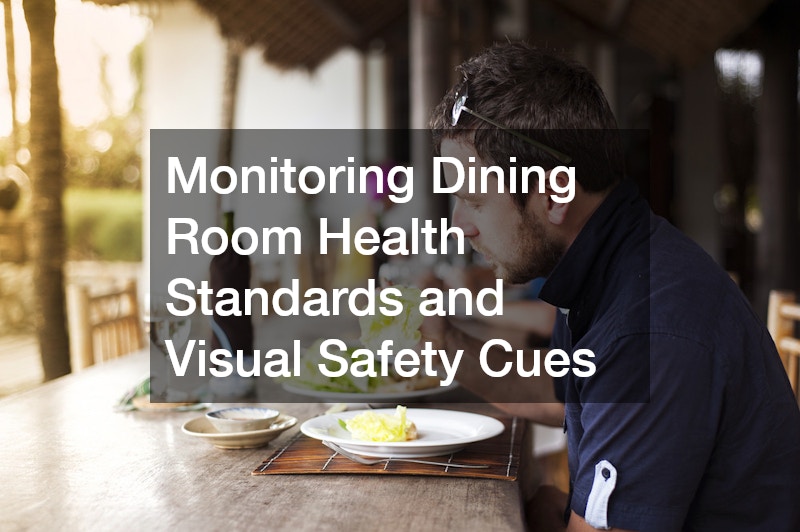
Monitoring Dining Room Health Standards and Visual Safety Cues
A restaurant’s commitment to public health and consumer safety should be immediately apparent the moment you cross its threshold. The front-of-house environment operates as a direct extension of the back-of-house kitchen; a team that treats its tables, seating areas, and condiment arrays with loose, casual negligence will almost certainly apply that same dangerous mindset to their food-handling and refrigeration safety loops.
When you are seated in a dining space, take a close look at the perimeter walls and baseboards. A well-kept medical or food facility must maintain a bulletproof physical defense framework against the structural challenges that naturally plague urban dining spaces. Exceptional operators maintain zero-tolerance policies regarding environmental pests, partnering directly with a licensed commercial exterminator to deploy proactive, discreet monitoring traps and seal off all baseline entry points. Seeing clean, unmarred lower walls and perfectly maintained baseboards indicates that the business retains a high-tier pest control agency to execute continuous, preventive environmental sanitation cycles behind the scenes, allowing you to dine with absolute peace of mind.
- Verify official municipal sanitation placards: Look for highly visible, current-year health department inspection letters or clean sanitation grades prominently displayed right at the host stand or front entry window.
- Audit the cleanliness of communal condiment trays: Check the shared bottles of soy sauce, black vinegar, and chili crisp on your table; clean, non-sticky caps and sparkling ceramic trays prove that the staff sterilizes these high-touch vectors daily.
- Examine the state of high-use tableware: Ensure that all ceramic soup spoons, teapots, and chopsticks arrive completely free of hard water spots, grease films, or small chips, showing a dedicated mechanical dishwashing loop.
Navigating Multi-Tenant Wholesale Enclaves and Trade Dynamics
To unlock the absolute peak of uncompromised, hyper-authentic regional cooking, an adventurous diner must occasionally look far beyond traditional retail plazas and residential neighborhoods. The logistics of cultural food supply lines mean that the rarest, most specialized culinary operations often cluster directly around regional import zones, agricultural transit centers, and commercial distribution points. Elite restaurateurs are incredibly selective about their produce, often tracking ingredient supply chains back to farms that utilize advanced crop monitoring technologies to ensure consistent quality, crispness, and pesticide-free purity for specialized greens like gai lan or pea shoots. Because these specialized ingredients bypass mainstream grocery grids, the top kitchens naturally embed themselves deep within wholesale transportation networks.
In heavy manufacturing sectors or industrial multi-tenant parks, restaurants frequently open to service the highly specific culinary demands of regional trade workers, import managers, and local chefs. Tracing the daily routes of commercial logistics vehicles delivering vital bulk heating oil to these industrial facilities can often lead you right into the heart of hidden, hyper-authentic culinary clusters. Tucked deep inside these commercial trade zones, right alongside international warehouses and high-volume wholesale frozen foods distribution complexes, you can discover incredible, destination-worthy restaurants that cook exclusively with highly specialized, imported regional ingredients that are rarely found in traditional, mainstream supermarkets.
- Scout industrial warehouse sectors during midday lunch windows: Explore wholesale commercial zones between 11:30 AM and 1:30 PM to locate where regional trade professionals and industry specialists choose to line up for lunch.
- Look for retail jar operations inside the dining space: Exceptional kitchens will frequently sell their own proprietary blends of house-made chili crisps, XO sauces, or fermented bean pastes in bulk jars at the front register, proving they blend their profiles from scratch rather than opening pre-made industrial tubs.
- Check for live seasonal seafood holding tanks: The presence of specialized, highly aerated saltwater holding tanks containing live Dungeness crabs, spot prawns, or whole sea bass proves a high-velocity, scratch-cooked seafood program that values absolute peak freshness over frozen alternatives.
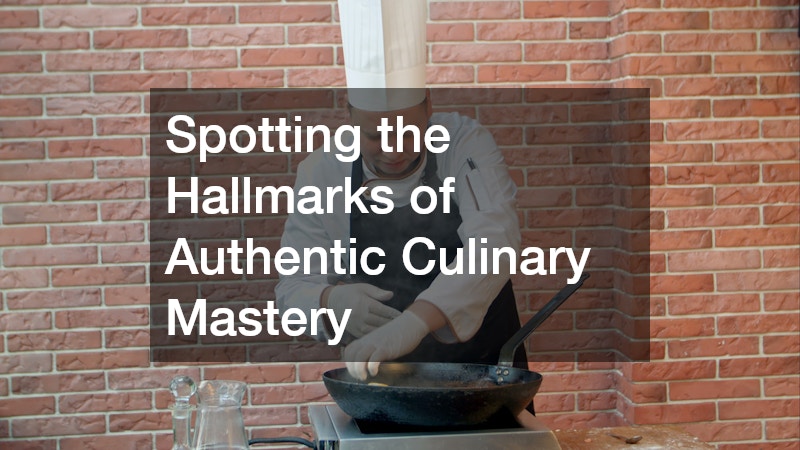
Spotting the Hallmarks of Authentic Culinary Mastery
Once you have completed your digital reconnaissance, audited the physical infrastructure of the building, and evaluated the menu’s structural lineage, the final validation of excellence occurs directly on the dining table. Genuine Chinese culinary mastery is a magnificent symphony of contrast, a harmonious interplay of temperature, textures, and deep aromatics that define traditional food culture.
An exceptional, well-kept establishment will honor traditional hospitality and classical dining etiquette from the very moment you sit down. A hallmark of an authentic, guest-centric house is the immediate arrival of a hot, steaming teapot filled with loose-leaf jasmine, oolong, or aged pu-erh tea served in heavy ceramic or metallic teapots to cleanse the palate before the meal begins. Furthermore, the physical layout of the dining room itself should match this communal, family-style approach to food appreciation. The presence of large, circular dining setups equipped with smoothly rotating glass lazy susans proves that the kitchen’s output is optimized for sharing multiple diverse courses simultaneously, allowing a group to balance rich, slow-braised meats with crisp, quick-fired seasonal greens.
- Evaluate the presentation of whole proteins: Notice if whole fish or crispy roasted ducks are presented bone-in and completely intact with the head and tail attached; this zero-waste approach is a traditional sign of respect for the ingredient and ensures the meat retains maximum moisture during cooking.
- Test the kitchen’s execution of fundamental basics: Order a deceptively simple, technique-heavy course like a basic egg fried rice; a master chef’s skills are instantly revealed through their ability to make every grain of rice separate, perfectly seasoned, and completely non-greasy.
- Observe the timing of the food delivery: In a premier kitchen, dishes are brought to the table the exact second they leave the roaring blast of the wok burner, ensuring that you experience the volatile, aromatic peak of the food’s heat and flavor line.
As you prepare to venture out for your next regional meal, resolve to explore your neighborhood’s food landscape with an active, highly discerning eye for detail. Do not settle for homogenized, uninspired franchise menus, do not overlook sticky condiment trays or neglected loading docks, and do not be afraid to venture into industrial multi-tenant enclaves to find hidden kitchens. Take immediate command of your culinary map this week: identify a highly specific regional tradition you want to explore, translate local community review strings, check the physical counter material integrity of a new spot, and look for the presence of authentic character menus. By demanding technical precision, total ingredient freshness, and pristine facility care from your culinary providers today, you protect your hard-earned capital, support dedicated culinary artisans, and secure a spectacular, hyper-authentic neighborhood food home where your palate can thrive in absolute safety for many years to come.
For any dedicated culinary enthusiast, the quest for truly phenomenal local Chinese food is an ongoing, deeply rewarding journey. It is a pursuit of a multi-sensory experience: the intoxicating, smoky essence of wok hei (the breath of the wok), the perfect balance of texturing achieved through precise meat velveting, and the complex harmony of regional spices that can instantly transport a diner thousands of miles away. However, for the uninitiated, the modern suburban and urban food landscape can be incredibly difficult to navigate. Too often, the market is saturated with homogenized, sugary, and heavily westernized franchises that mask the profound diversity of genuine Chinese regional cooking.
Finding the real hidden gems, those uncompromising kitchens that treat culinary arts as an absolute reflection of cultural heritage and technical precision, requires moving far past basic internet searches or casual neighborhood convenience. Please adopt the mindset of a food anthropologist and a strict quality auditor. Every element of an establishment, from the exact linguistic structure of its menu and the source of its raw ingredients to the environmental sanitation of its back-loading dock, provides critical data points about its authenticity. By learning to decode these subtle culinary clues and looking at a neighborhood infrastructure with a practiced eye, you can bypass the generic takeout traps and consistently unlock masterclasses in fire, flavor, and heritage. This guide serves as the definitive roadmap for systematically locating and vetting the absolute best Chinese dining experiences in your area.
Auditing the Menu for Regional Accuracy and Ingredient Provenance
The absolute baseline for identifying exceptional Chinese restaurants begins within the pages of its menu. A premier restaurant will completely reject the vague, monolithic label of generic “Chinese cooking.” Instead, its menu will showcase a proud, highly specific allegiance to distinct regional traditions, whether that means the fiery, numbing peppercorn-laden profiles of Sichuan, the delicate, seafood-centric geometries of Cantonese dim sum, the clean, comforting broths of Fujian, or the robust, cumin-scented hand-pulled noodle traditions of Shaanxi.
When you review a menu, look closely at how the kitchen structures and sources its primary protein inventory. A low-tier takeout joint looking to slash its overhead will typically rely on buying pre-cooked, pre-battered, and heavily preserved meats shipped from a massive corporate wholesale frozen foods distributor, resulting in generic textures and a total lack of distinct freshness. Conversely, a high-caliber kitchen stands out by managing a meticulously fresh ingredient pipeline. These elite operations skip industrial processing channels entirely, choosing to source whole ducks, fresh skin-on pork bellies, and specialty cuts directly from a high-quality local butcher to ensure total structural integrity and traditional texturing across every single dish.
- Scan for bilingual character layouts: Look for menus that feature extensive Chinese typography alongside English descriptions; the presence of original character sets often indicates that the kitchen is preparing traditional dishes optimized for community insiders rather than simplified Western palates.
- Identify precise cooking terminology: Seek out technical culinary terms like “clay-pot braised,” “dry-fried,” “master-stock simmered,” or “salt-baked” instead of vague, generalized descriptions like “sweet and sour” or “stir-fried meat.”
- Evaluate the length of the menu: Be wary of gargantuan menus that promise three hundred different items across four distinct Asian cuisines; exceptional restaurants usually focus on a tightly curated selection of thirty to fifty specialized regional plates that they can execute with absolute mastery every day.
Reading Between the Lines of Online Digital Review Ecosystems

In an era dominated by crowd-sourced digital review platforms, a basic star rating is often the least reliable metric for determining the true quality of an authentic ethnic restaurant. In fact, highly traditional regional Chinese restaurants often carry a polarizing three-and-a-half to four-star rating online. This paradox occurs because uneducated reviewers often penalize authentic kitchens for serving traditional, texture-forward dishes, such as bone-in poultry, unpeeled shrimp, or slow-braised tripe, or for refusing to tone down authentic, uncompromised heat levels to suit a milder palate.
To extract true value from online review networks, you must look past the aggregated numbers and dive deeply into specific user-submitted photo galleries and structural descriptions. Exceptional culinary experiences are frequently hidden entirely outside of traditional, high-rent commercial main streets. Pay close attention to local food message boards that review operations embedded inside multi-ethnic retail corridors. Some of the absolute most spectacular, scratch-made dumpling counters and hand-pulled noodle stalls in the country operate completely without independent storefronts, choosing instead to share a communal counter loop inside a bustling international supermarket or carve out a tiny kitchen space in the back of an old-school neighborhood deli store.
- Audit the user-submitted dining room photos: Scan customer images to see if the dining room consistently attracts members of the regional diaspora community; a dining room filled with multi-generational families seeking a true taste of home is the ultimate validation of a kitchen’s authenticity.
- Filter reviews for specific sensory markers: Use keyword searches within review apps to find mentions of “ma la” (numbing spice), “wok hei,” “tender tendon,” or “house-made chili oil,” which indicate that the kitchen is hitting complex, traditional flavor benchmarks.
- Translate foreign-language reviews directly: Utilize digital browser extensions to read honest, in-depth critiques written by native speakers, as these reviews often contain valuable insider tips regarding unlisted off-menu daily specials.
Auditing the Physical Infrastructure and Back-Alley Cleanliness
The intense physical mechanics of high-volume, traditional Chinese cooking require an exceptional level of commercial facility maintenance and environmental discipline. Executing high-heat stir-frying, deep-frying, and long-form roasting creates continuous, heavy-duty demands on a kitchen’s structural systems. While the front dining room of a restaurant can easily be staged to look clean, the back alleys and mechanical infrastructure of a building never lie about an establishment’s true operational standards.
Before committing to a meal at a new location, a brief walk past the exterior perimeter of the building can provide immense insight into the kitchen’s underlying hygiene philosophy. High-volume kitchens process massive amounts of fats and oils every day. A poorly run, cutting corners establishment will allow grease to accumulate near their loading dock doors, whereas a top-tier, highly disciplined team will partner with specialized environmental transport services to manage systematic cooking oil disposal inside heavy-duty, tightly sealed containment structures. Furthermore, because intense cooking residues can quickly accumulate within under-floor plumbing lines, a well-kept facility will mandate routine, high-pressure drain cleaning to completely eliminate standing water risks and prevent foul, structural sewer odors from migrating back into the main dining area.
- Inspect the rear waste management zones: Ensure that all primary exterior dumpsters feature tightly closed, heavy-duty lids and are completely free of overflowing debris, visual grease slicks, or foul odors that trace back to poor kitchen handling.
- Examine visible kitchen window tracks: Look through any street-facing kitchen or pass-through windows to confirm that the stainless steel prep lines, exhaust hoods, and window frames are entirely free of sticky, yellowish carbon build-up.
- Observe the condition of the floor grates: When walking inside the facility, look down at any visible floor drainage channels; clean, dry, and rust-free grates prove that the staff executes a rigorous nightly sanitation breakdown.
Monitoring Dining Room Health Standards and Visual Safety Cues
A restaurant’s commitment to public health and consumer safety should be immediately apparent the moment you cross its threshold. The front-of-house environment operates as a direct extension of the back-of-house kitchen; a team that treats its tables, seating areas, and condiment arrays with loose, casual negligence will almost certainly apply that same dangerous mindset to their food-handling and refrigeration safety loops.
When you are seated in a dining space, take a close look at the perimeter walls and baseboards. A well-kept medical or food facility must maintain a bulletproof physical defense framework against the structural challenges that naturally plague urban dining spaces. Exceptional operators maintain zero-tolerance policies regarding environmental pests, partnering directly with a licensed commercial exterminator to deploy proactive, discreet monitoring traps and seal off all baseline entry points. Seeing clean, unmarred lower walls and perfectly maintained baseboards indicates that the business retains a high-tier pest control agency to execute continuous, preventive environmental sanitation cycles behind the scenes, allowing you to dine with absolute peace of mind.
- Verify official municipal sanitation placards: Look for highly visible, current-year health department inspection letters or clean sanitation grades prominently displayed right at the host stand or front entry window.
- Audit the cleanliness of communal condiment trays: Check the shared bottles of soy sauce, black vinegar, and chili crisp on your table; clean, non-sticky caps and sparkling ceramic trays prove that the staff sterilizes these high-touch vectors daily.
- Examine the state of high-use tableware: Ensure that all ceramic soup spoons, teapots, and chopsticks arrive completely free of hard water spots, grease films, or small chips, showing a dedicated mechanical dishwashing loop.
Navigating Multi-Tenant Wholesale Enclaves and Trade Dynamics
To unlock the absolute peak of uncompromised, hyper-authentic regional cooking, an adventurous diner must occasionally look far beyond traditional retail plazas and residential neighborhoods. The logistics of cultural food supply lines mean that the rarest, most specialized culinary operations often cluster directly around regional import zones, agricultural transit centers, and commercial distribution points. Elite restaurateurs are incredibly selective about their produce, often tracking ingredient supply chains back to farms that utilize advanced crop monitoring technologies to ensure consistent quality, crispness, and pesticide-free purity for specialized greens like gai lan or pea shoots. Because these specialized ingredients bypass mainstream grocery grids, the top kitchens naturally embed themselves deep within wholesale transportation networks.
In heavy manufacturing sectors or industrial multi-tenant parks, restaurants frequently open to service the highly specific culinary demands of regional trade workers, import managers, and local chefs. Tracing the daily routes of commercial logistics vehicles delivering vital bulk heating oil to these industrial facilities can often lead you right into the heart of hidden, hyper-authentic culinary clusters. Tucked deep inside these commercial trade zones, right alongside international warehouses and high-volume wholesale frozen foods distribution complexes, you can discover incredible, destination-worthy restaurants that cook exclusively with highly specialized, imported regional ingredients that are rarely found in traditional, mainstream supermarkets.
- Scout industrial warehouse sectors during midday lunch windows: Explore wholesale commercial zones between 11:30 AM and 1:30 PM to locate where regional trade professionals and industry specialists choose to line up for lunch.
- Look for retail jar operations inside the dining space: Exceptional kitchens will frequently sell their own proprietary blends of house-made chili crisps, XO sauces, or fermented bean pastes in bulk jars at the front register, proving they blend their profiles from scratch rather than opening pre-made industrial tubs.
- Check for live seasonal seafood holding tanks: The presence of specialized, highly aerated saltwater holding tanks containing live Dungeness crabs, spot prawns, or whole sea bass proves a high-velocity, scratch-cooked seafood program that values absolute peak freshness over frozen alternatives.
Spotting the Hallmarks of Authentic Culinary Mastery
Once you have completed your digital reconnaissance, audited the physical infrastructure of the building, and evaluated the menu’s structural lineage, the final validation of excellence occurs directly on the dining table. Genuine Chinese culinary mastery is a magnificent symphony of contrast, a harmonious interplay of temperature, textures, and deep aromatics that define traditional food culture.
An exceptional, well-kept establishment will honor traditional hospitality and classical dining etiquette from the very moment you sit down. A hallmark of an authentic, guest-centric house is the immediate arrival of a hot, steaming teapot filled with loose-leaf jasmine, oolong, or aged pu-erh tea served in heavy ceramic or metallic teapots to cleanse the palate before the meal begins. Furthermore, the physical layout of the dining room itself should match this communal, family-style approach to food appreciation. The presence of large, circular dining setups equipped with smoothly rotating glass lazy susans proves that the kitchen’s output is optimized for sharing multiple diverse courses simultaneously, allowing a group to balance rich, slow-braised meats with crisp, quick-fired seasonal greens.
- Evaluate the presentation of whole proteins: Notice if whole fish or crispy roasted ducks are presented bone-in and completely intact with the head and tail attached; this zero-waste approach is a traditional sign of respect for the ingredient and ensures the meat retains maximum moisture during cooking.
- Test the kitchen’s execution of fundamental basics: Order a deceptively simple, technique-heavy course like a basic egg fried rice; a master chef’s skills are instantly revealed through their ability to make every grain of rice separate, perfectly seasoned, and completely non-greasy.
- Observe the timing of the food delivery: In a premier kitchen, dishes are brought to the table the exact second they leave the roaring blast of the wok burner, ensuring that you experience the volatile, aromatic peak of the food’s heat and flavor line.
As you prepare to venture out for your next regional meal, resolve to explore your neighborhood’s food landscape with an active, highly discerning eye for detail. Do not settle for homogenized, uninspired franchise menus, do not overlook sticky condiment trays or neglected loading docks, and do not be afraid to venture into industrial multi-tenant enclaves to find hidden kitchens. Take immediate command of your culinary map this week: identify a highly specific regional tradition you want to explore, translate local community review strings, check the physical counter material integrity of a new spot, and look for the presence of authentic character menus. By demanding technical precision, total ingredient freshness, and pristine facility care from your culinary providers today, you protect your hard-earned capital, support dedicated culinary artisans, and secure a spectacular, hyper-authentic neighborhood food home where your palate can thrive in absolute safety for many years to come.